
Environmental Safety
Kentucky Health Care


Environmental Staff
Ballard and Carlisle County
Brian Moynahan – 270-331-0775
Fulton and Hickman County
Kevin Alderdice
Fulton/Fulton City – 1-270-472-1984
Fulton/ Hickman City – 1-270-236-2825
Hickman County – 1-270-653-6110
McCracken County
270-444-9625
Onsite – – ext. 169
Food – Joel Barrett – ext. 169
Plumbing Inspector – Lynn Bundy – ext. 157
Rebecca Lilly – ext. 170
Kaitlyn Thompson – ext. 110
Food Safety
The Environmental Branch inspects and permits all food service establishments including restaurants, delis, cafeterias, community kitchens, groceries, concession stands and private club kitchens. Investigates all food related complaints and food borne disease outbreaks. For information on the differences between the 2005 and the 2013 food code please click here.
Temporary Food Permits:
A person or group may purchase a temporary permit to sell food at a festival, fair or special event. All food must be prepared on-site at the address listed for the permit. Permits for 1-3 days are 60 dollars, 4-7 days is 90 dollars and 8-14 days is 125 dollars.
Food Certifications:
(PLEASE READ ALL INSTRUCTIONS THOROUGHLY BEFORE PROCEEDING)
As per Kentucky and the FDA Food Code 2013 requirements, each establishment shall have a certified food protection manager who is able to direct and control food preparation and service.
It is EASY to get certified! You can take the training and test at: https://ky-purdhd.statecert.com
Upon opening the website:*
Select “Register” in the upper right-hand corner
Enter your information and receive a confirmation email
Confirm your email address by clicking in the email
Select “Get New License”
Select “Food Manager Certification” $80
Take the course and test then print your certificate and also receive an electronic certificate!
*Each individual shall register with their own name, information, email, and password.
This program is most compatible with Google Chrome and Firefox browsers.
Public Facility Inspections
Public Facilities Inspections are performed on Schools, Hotel/Motels, Mobile Home/RV Parks, Public Swimming Pools, Tattoo Studios as well as other facilities. State law requires that the facilities listed above and others not listed be permitted through the health department and be inspected annually, bi-annually or on complaint basis. They are inspected to insure that the facilities are kept in a sanitary condition to prevent sickness/disease or injury and also kept in good repair.
If more information is needed or if there is an interest in opening a public type of facility, contact your Health Environmentalist at your local health center.
Hotels & Motels
Hotel/Motels are permitted and inspected by the Health Department. They are inspected once a year plus any complaint inspections. The inspections cover cleanliness, good repair and vector control.
Public Swimming Facilities
Public pools and hot tubs are permitted and inspected by the health department. The facilities are inspected twice a year and water quality is monitored monthly plus complaints. The inspections cover water quality, proper safety equipment and mechanical upkeep.
Schools
All Private and Public schools K-12 is inspected twice a year plus complaints. The inspections cover cleanliness, safety and building maintenance.
Tattoo Studios
All Tattoo and Body Piercing Studios are inspected at least twice per year for proper sanitary procedure, record keeping and artist registration. Tattoo artists must be registered with the health department and all studios must be permitted. The department inspects and monitors businesses that perform ear piercing as well.
Mobile Home & RV Parks
Mobile Home and RV Parks are permitted and inspected annually by the Health Department for compliance with state health and safety laws.
State Confinement Facilities
State confinement facilities are inspected twice a year by the PDHD.
Bed & Breakfast
The PDHD permits and inspects bed & breakfast. They are inspected once a year

General Sanitation
General Sanitation items include public health nuisance control, private well water testing, rabies, and septic tank servicing companies. Public health nuisance items include mosquito control, rodent and insect control, surfacing sewage, household garbage disposal and any other unsanitary conditions that affect public health.
Private Well Testing – Private Water Sources (wells, cisterns, springs, etc.) are sampled for bacteriological quality on a request basis. There is a $50 fee for this service. Water is tested for Coli-forms and Fecal Coli-forms
Rabies – The Rabies Prevention Program involves investigation of animal bites, preparation and submission of samples for testing. Under Kentucky Law, any animal that is either suspected of having rabies or bites a human must be placed under quarantine for a ten-day period or it must be euthanized and submitted to the State Laboratory for testing. Kentucky State Law requires all dogs, cats, and ferrets over 4 months of age have a current rabies vaccination.
Septic Tank Cleaners – Septic tank pump trucks are inspected once a year.
On-Site Sewage Program
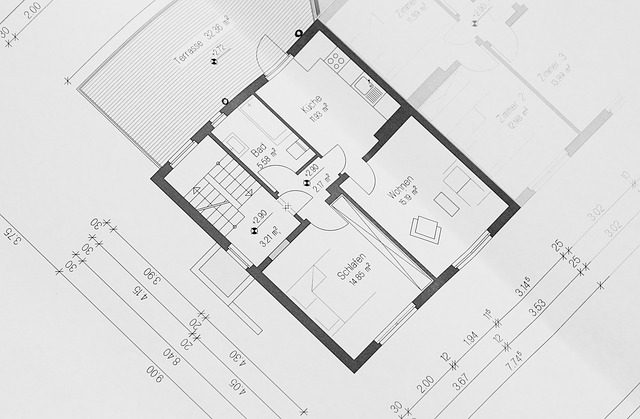
Public Building Plan Review
All public building plans are reviewed by the local health department.
Fees for plan review: $55.00.
Septic Systems: What to Know When Buying or Building
Septic systems are an important part of your property and public health. Improper sewage disposal can cause illness from bacteria, viruses, parasites, and fungi such as E Coli, Hepatitis A, and Giardia. To help the public find certified installers, PDHD has published a list on our website: https://purchasehealth.org/enviromental/.
A septic system collects, treats, and disposes of the used water from your home. This includes the water from the toilet, shower, sink, and washing machine and contains dirt, soap, food, and all of the other things that go down the drain. Septic systems are used for homes or businesses that don’t have access to sewer. A septic system has two main parts—a septic tank that collects the solids put into the system and a lateral field that allows the liquid from the system to absorb into the soil. Septic systems can last 20-30 years or more but can stop working sooner if they are not put in correctly and taken care of. The size of a septic system changes based on what kind of building it is attached to.
When buying a home or business that already has a septic system it is important to know where the system is in the yard, when the system was put in, and if it has had to be fixed recently. Asking these questions helps buyers tell if the septic system is working well or not. Another important thing to think about is if there is room to fix it. When a system stops working correctly repairs must be done in an area that has not been used. When systems are being put in, the health department makes sure there is room to fix it, too. As time goes on, sometimes the repair room gets used for something else by the owners. Buyers should think about how much space they have to fix their septic system when planning for extras such as pools, fences, or detached garages.
When building a home or business that will have a septic system it is important to think about how much space it will take up in the yard. McCracken County requires at least one acre of land for new construction in areas that will have septic systems. No matter how big or small the lot is, the state of Kentucky requires new construction to maintain a repair area that is equal to the size of the system being installed. It is also important to think about what else takes up space in the yard when planning for the system and repair area. Lots that have water or drainage-ways cutting across them may not have the needed space. If there are multiple houses or buildings on a lot that need septic systems, they must each have their own system and room to fix it. If the lot has a system in the ground that is no longer being used, existing system paperwork can be completed at the local health department.
Steps to Getting or Repairing a Septic System:
Contact Local Health Department (LHD) for soil evaluation
- A soil evaluation is $250.
- An environmentalist will come out and evaluate soil characteristics.
Receive Soil Evaluation results
- Once soil evaluation is complete, results will be sent via text, email, and/or mail.
- The results will contain septic system sizing options based on soil evaluation.
- Results should be forwarded to a certified installer to get bids.
Contact Local Health Department for installation permit
- Once hired, the certified installer will purchase an installation permit from LHD.
- It is important that homeowners confirm that a permit is pulled before installation on their property begins.
Once installed, get inspected by Local Health Department
- The installer shall contact LHD for an inspection while system is still open.
- This ensures that the system was installed to meet regulatory requirements.
- A final inspection sheet will be provided to installer that shows system approval.
Certified Installers (Septic) registered in the Purchase District 01/15/2026
*Septic installation certification is valid statewide. This list is not an endorsement of any installer.
Ballard
Hunter Sullivan (270) 559-1878
Steve Sullivan (270) 559-2508
Robert Walters Jr. (270) 832-1180
Carlisle
Landan Black (270) 562-0040
Larry Black
Lance Black (270) 628-3620
Ashley Hays (270) 445-0263
Matt Otey
Hickman
Shane Andrus (270) 978-0404
Len Lemons (270) 254-0204
Fulton
Cade Brockwell (270) 627-4588
Christopher Lattus (270) 627-3902
McCracken
Larry Adams
Clark Churchwell (270) 994-3765
Chase Copeland (270) 933-2566
Steve Copeland
Hunter Kingston (270) 994-0098
Jeff Lambert (270) 519-8572
Jamie McKinney (270) 564-2739
Ron Morris (270) 554-3711
Todd Morris (270) 556-4275
Nuisance Complaints
The PDHD investigates nuisance complaints ranging from trash, garbage, surfacing sewage, rodent infestation and any other public health hazard.